In today’s fast-paced digital environment, the role of an Agile Business Analyst (BA) goes far beyond gathering requirements. BAs serve as the bridge between business needs and technical delivery, ensuring clarity around problems, stakeholders, value, change, context, and solutions aka the BA Core Concepts.
For large, complex organizations, analysts juggle multiple responsibilities across initiatives — from cross-platform projects to urgent “hot issue” fixes. Their days are filled with recurring team ceremonies like standups and backlog refinement, as well as deep-dive collaboration sessions to align stakeholders and clarify requirements.
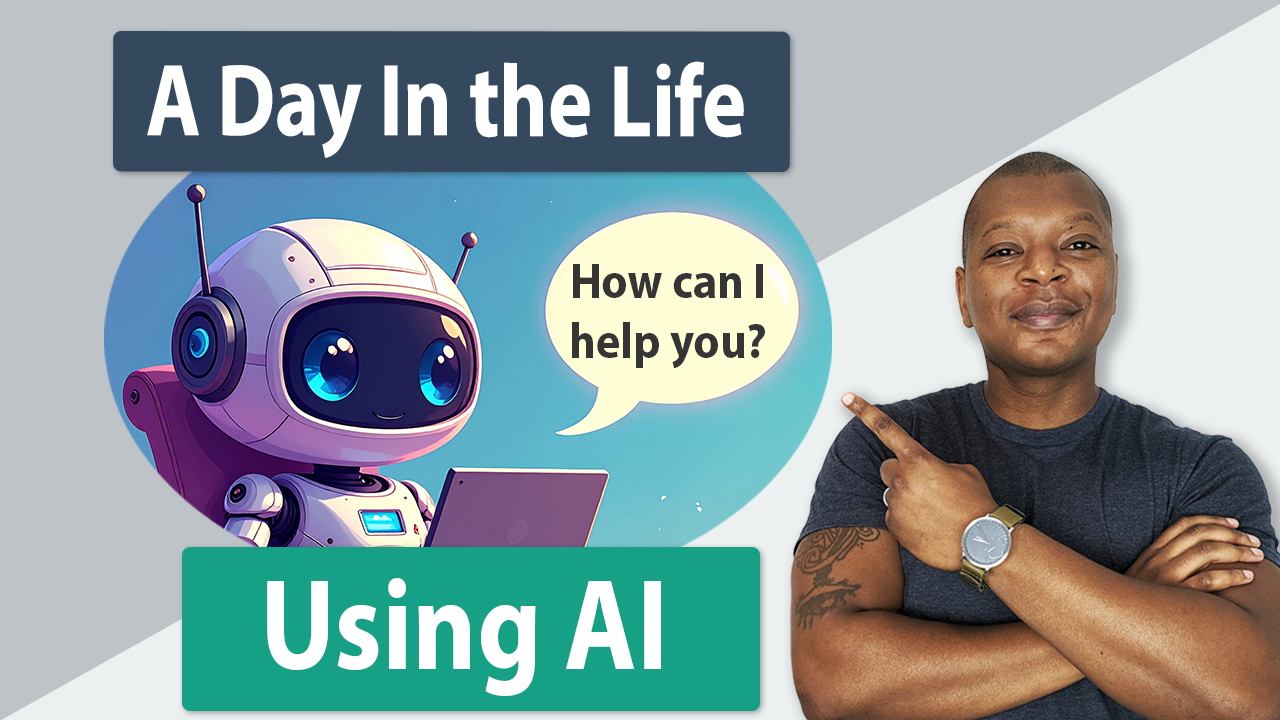
AI is reshaping how these tasks are done. Instead of spending time taking and rewriting notes, BAs can use AI-powered transcription and summarization tools to stay engaged in discussions and generate structured insights afterward. In requirement modeling, AI helps analysts quickly structure user stories, explore scenarios, and identify edge cases. Visual modeling still requires human oversight, but tools like Mermaid syntax can accelerate diagram creation when paired with AI prompts.
When it comes to analysis work, AI offers major time savings. Analysts can prompt AI to scan through legacy documentation, extract key data relationships, or even generate technical scripts as I did when using GitHub Copilot to build a working Python script without being a developer.
For now, AI enhances, not replaces, the analyst. Success depends on giving AI quality input, validating its output, and applying human critical thinking to interpret results.
Ultimately, an Agile Business Analyst’s value remains in bringing clarity and AI can help handle the tedious parts, allowing analysts to focus on human insight, collaboration, and the strategy that drives real business outcomes.